

Personality and Behavior
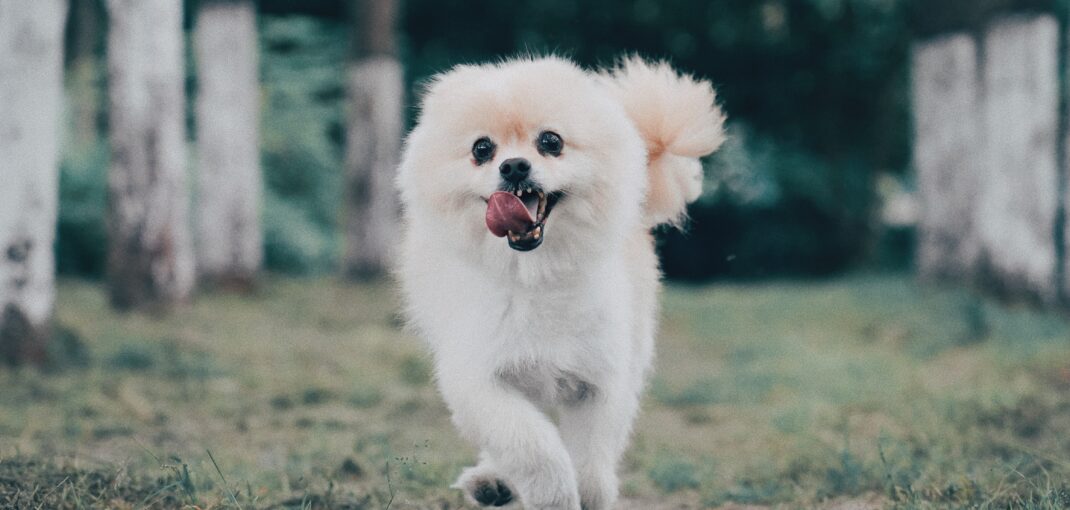
 Pomeranians are known for their lively, extroverted, and playful personalities. Despite their small size, they are confident, spirited, and often exhibit a “big dog” attitude. Pomeranians are intelligent and curious, making them quick learners and sometimes mischievous. They are affectionate and devoted to their families but may be wary of strangers. Early socialization and training are essential to prevent them from developing small dog syndrome, which can lead to behavioral issues.
History
Pomeranians trace their roots to the Pomerania region of northern Europe, which is now part of modern-day Poland and Germany. They were originally larger working dogs bred for herding and guarding livestock. Over time, they were selectively bred down in size to become the beloved companion dogs we know today. Pomeranians gained popularity during the 18th and 19th centuries, particularly among European royalty and aristocracy.
Appearance and Size
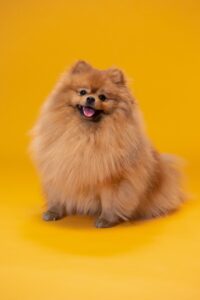
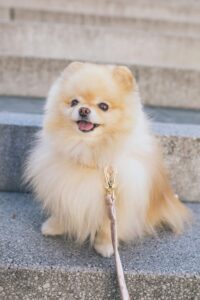
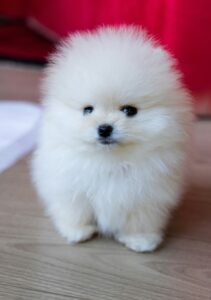 Pomeranians are small toy dogs with a compact and sturdy build. They have a distinctive fox-like expression with a foxy face, small ears, and a plumed tail that curls over their back. Pomeranians have a double coat with a dense, fluffy undercoat and a longer, harsher outer coat. They come in a variety of colors, including orange, red, cream, black, blue, and sable. Adult Pomeranians typically weigh between 3 to 7 pounds and stand around 6 to 7 inches tall at the shoulder.
Shedding
Pomeranians have a thick double coat that sheds moderately year-round. Regular brushing can help minimize shedding and keep their coat healthy.
Tendency to Bark
Pomeranians are known to be vocal dogs and may bark frequently to alert their owners or express their excitement. Early training can help teach them appropriate barking behaviors.
Friendliness
Pomeranians are generally friendly and affectionate with their families but may be reserved or aloof with strangers. They often form strong bonds with their owners and enjoy being the center of attention.
Grooming Guide
 * Brushing: Pomeranians have a thick double coat that requires regular brushing to prevent mats and tangles. Brush them several times a week, paying particular attention to areas prone to tangling, such as behind the ears and under the legs.
* Bathing: Bathe your Pomeranian as needed, typically every 4 to 6 weeks. Use a mild dog shampoo and be sure to thoroughly rinse out all the soap to prevent skin irritation.
* Nail Trimming: Trim your Pomeranian’s nails every 2 to 4 weeks to keep them at a comfortable length and prevent them from getting too long and causing issues with walking.
Common Health Issues and Allergies
 Pomeranians are generally healthy dogs, but they are prone to certain health issues, including:
* Luxating patella: A condition where the kneecap dislocates from its normal position, causing lameness and pain.
* Dental issues: Pomeranians are prone to dental problems, including tooth decay and gum disease, due to their small mouths and overcrowded teeth.
* Tracheal collapse: A condition where the trachea weakens and narrows, leading to breathing difficulties, coughing, and gagging.
* Hypoglycemia: Pomeranian puppies are susceptible to low blood sugar levels, especially during periods of stress or illness.
Dog Care Tips
* Provide plenty of mental stimulation and exercise to keep your Pomeranian happy and healthy.
* Feed them a balanced diet appropriate for their size, age, and activity level to maintain their health and prevent obesity.
* Train them early and consistently to ensure good behavior and obedience.
* Regular veterinary check-ups are essential to monitor their health and catch any issues early.
Dog Price and Maintenance Cost in India
The price of a Pomeranian puppy in India can vary depending on factors such as lineage, breeder reputation, and location, but typically ranges from ₹5,000 to ₹30,000 or more. Maintenance costs include expenses for food, grooming supplies, veterinary care, and other essentials, which can amount to several thousand rupees per month.
Fun Facts
 * Pomeranians are named after the Pomerania region in Europe, where they were originally bred.
* Queen Victoria of England was a notable fan of Pomeranians and played a significant role in popularizing the breed during the 19th century.
* Pomeranians are often referred to as “Poms” for short.
* Despite their small size, Pomeranians have big personalities and are often described as having a “lion-like” or “teddy bear” appearance.
Lifespan Details
On average, Pomeranians live for about 12 to 16 years, although some can live longer with proper care and a healthy lifestyle.