

Personality and Behavior
 Indian Mastiffs are known for their protective, loyal, and fearless nature. They are powerful, confident, and have a strong guarding instinct, making them excellent guardians and protectors of their family and home. Indian Mastiffs are typically calm and composed but can be aloof or suspicious of strangers. They are deeply devoted to their families and are known to form strong bonds with their owners. Early socialization and training are essential to ensure they are well-mannered and well-adjusted companions.
History
 The Indian Mastiff breed has ancient origins in the Indian subcontinent, particularly in regions such as Punjab, Sindh, and Rajasthan. They were historically bred for guarding and protection, particularly by royalty and nobility. Indian Mastiffs were used for various purposes, including guarding palaces, estates, and livestock, as well as for hunting large game such as wild boar and deer. They are highly valued for their strength, courage, and loyalty.
Appearance and Size
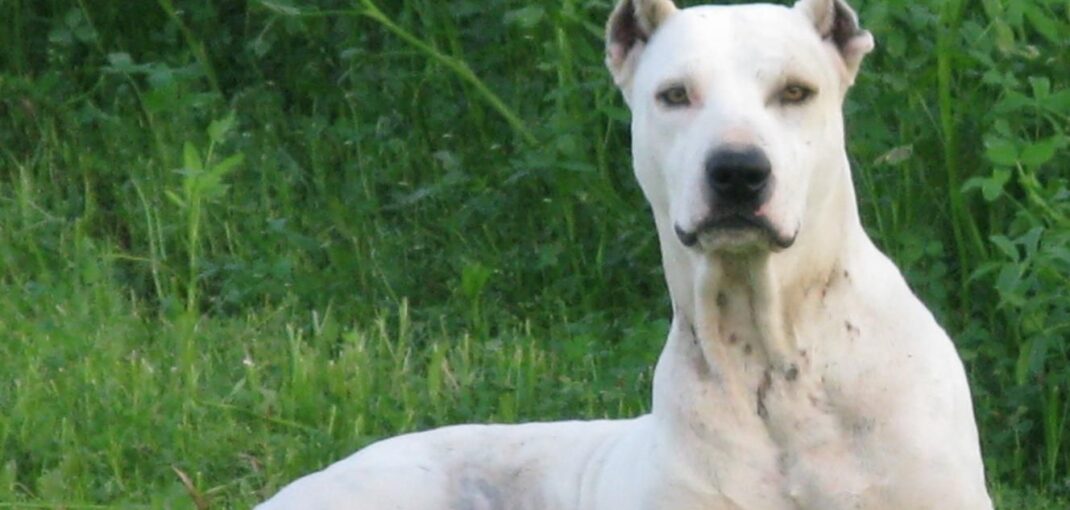
 Indian Mastiffs are large, muscular dogs with a powerful and imposing build. They have a broad head, strong jaws, and a deep chest. Indian Mastiffs have a short, smooth coat that comes in various colors, including white, black, fawn, and brindle. They have a thick neck and a sturdy, well-muscled body. Adult Indian Mastiffs typically stand between 26 to 36 inches tall at the shoulder and weigh between 45 to 90 kilograms or more.
Shedding
Indian Mastiffs have a short, smooth coat that sheds moderately year-round. They require regular grooming to remove loose hair and dirt.
Tendency to Bark
Indian Mastiffs are known to be vocal and may bark to alert their owners of potential threats or intruders. They have a deep, booming bark that can be intimidating to strangers.
Friendliness
Indian Mastiffs are fiercely loyal and protective of their families but may be reserved or aloof with strangers. Early socialization is important to ensure they are well-adjusted and comfortable around new people and situations.
Grooming Guide
 * Brushing: Indian Mastiffs have a short, smooth coat that requires regular brushing to remove loose hair and prevent mats. Brush them at least a few times a week, paying particular attention to areas prone to tangling, such as behind the ears and under the legs.
* Bathing: Bathe your Indian Mastiff as needed, typically every 4 to 6 weeks. Use a mild dog shampoo and be sure to thoroughly rinse out all the soap to prevent skin irritation.
* Nail Trimming: Trim your Indian Mastiff’s nails every 2 to 4 weeks to keep them at a comfortable length and prevent them from getting too long and causing issues with walking.
Common Health Issues and Allergies
Indian Mastiffs are generally healthy and hardy dogs with few breed-specific health issues. However, they may be prone to certain common health issues seen in many large dog breeds, including:
* Hip dysplasia: A genetic condition where the hip joint doesn’t develop properly, leading to arthritis and mobility issues.
* Elbow dysplasia: A similar condition affecting the elbow joint.
* Bloat: A life-threatening condition where the stomach twists and traps gas and fluid, cutting off blood flow.
Dog Care Tips
 * Provide plenty of exercise and mental stimulation to keep your Indian Mastiff happy and healthy.
* Feed them a balanced diet appropriate for their size, age, and activity level to maintain their health and prevent obesity.
* Train them early and consistently to ensure good behavior and obedience.
* Secure your property to prevent escapes, as Indian Mastiffs have a strong guarding instinct and may be territorial.
Dog Price and Maintenance Cost in India
The price of an Indian Mastiff puppy in India can vary depending on factors such as lineage, breeder reputation, and location, but typically ranges from ₹10,000 to ₹50,000 or more. Maintenance costs include expenses for food, grooming supplies, veterinary care, and other essentials, which can amount to several thousand rupees per month.
Fun Facts
* Indian Mastiffs are also known by other names, including Bully Kutta, Pakistani Mastiff, and Indian Alangu Mastiff.
* They are highly prized for their strength, courage, and loyalty and are often used as guard dogs and protectors in rural areas of India and Pakistan.
* Indian Mastiffs have a long history of being valued by royalty and nobility in the Indian subcontinent and are considered symbols of power and prestige.
* Despite their imposing appearance, Indian Mastiffs are known to be affectionate and loyal companions to their families.
Lifespan Details
On average, Indian Mastiffs live for about 8 to 10 years, although some can live longer with proper care and a healthy lifestyle.